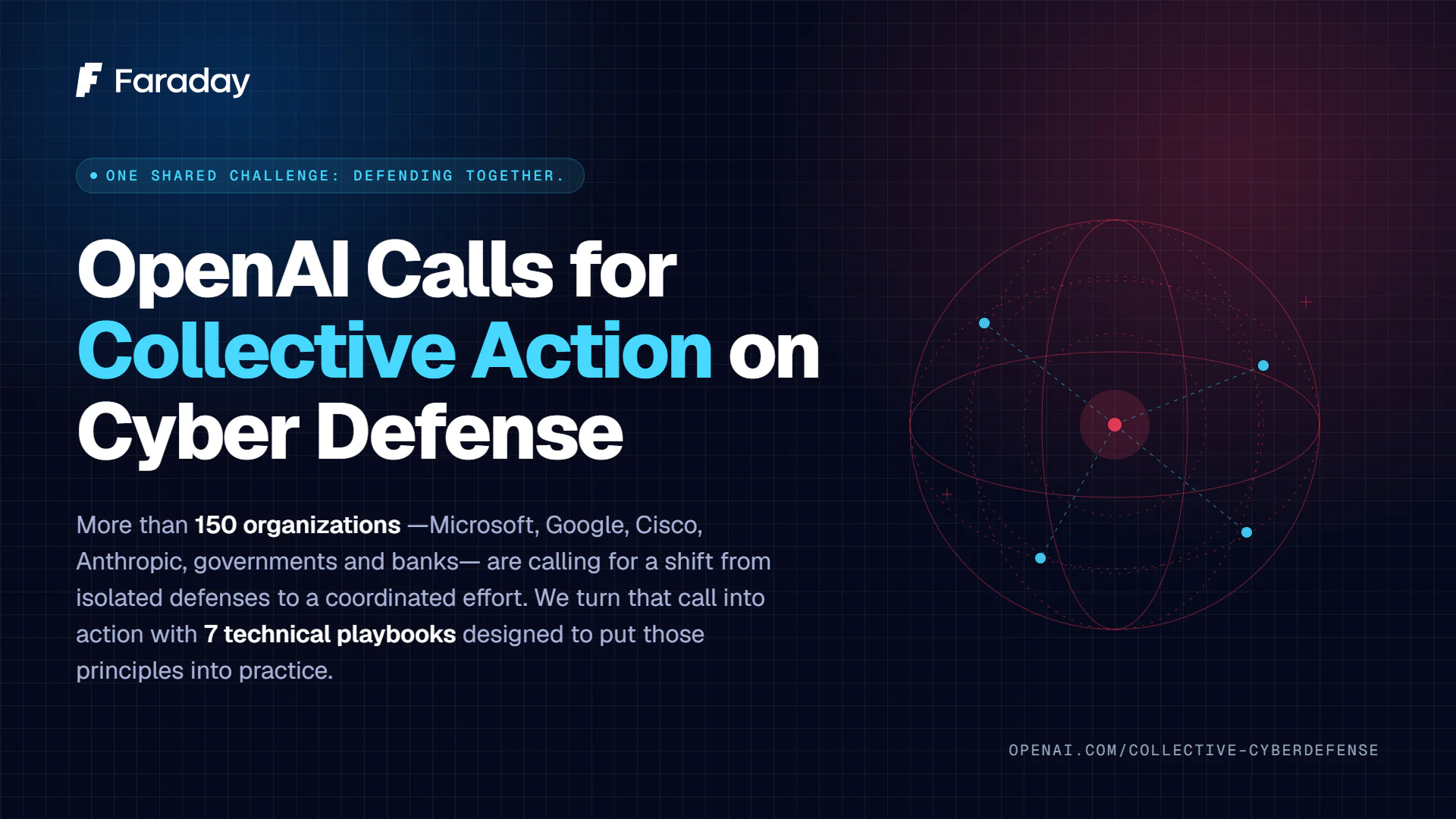
In August 2026, more than 150 organizations — Anthropic, Microsoft, Google, AWS, Cisco, banks, governments, and cybersecurity firms like Faraday from around the world — signed an open letter led by OpenAI with a central message: the window to strengthen global cyber defense is now, before AI-enabled attacks become more sophisticated and widespread.
The letter lays out clear principles, but principles aren’t the same as an action plan. That’s why we put together this series: seven practical guides, written for technical security and IT teams, that take each call to action from the letter and translate it into concrete steps, checklists, and real implementation examples.
What each guide covers
1. Security Technical Debt Audit: A Guide to Stop Postponing the Basics
A prioritization method for the five categories of debt the letter flags as the real problem: weak authentication, excessive permissions, unpatched software, misconfigurations, and legacy systems. Includes a risk-scoring template.
2. How to Apply Least Privilege and Defense-in-Depth Without Slowing the Business Down
Why the “big bang” approach to restricting permissions fails, and how to migrate in layers by measuring real usage before restricting. Includes the 5-layer defense-in-depth framework.
3. Compensating Controls: What to Do When You Can’t Patch
For critical infrastructure that can’t go down (hospitals, power plants, industrial systems): the four families of compensating controls and how to verify them instead of just assuming they work.
Read the playbook →
4. A Guide to Adopting Tiered AI Defense
A triage architecture using low-cost models for broad coverage and frontier models reserved for the hardest cases. Includes a pipeline diagram and escalation rules.
Read the playbook →
5. How to Review AI-Generated Code With the Same Rigor as Human Code
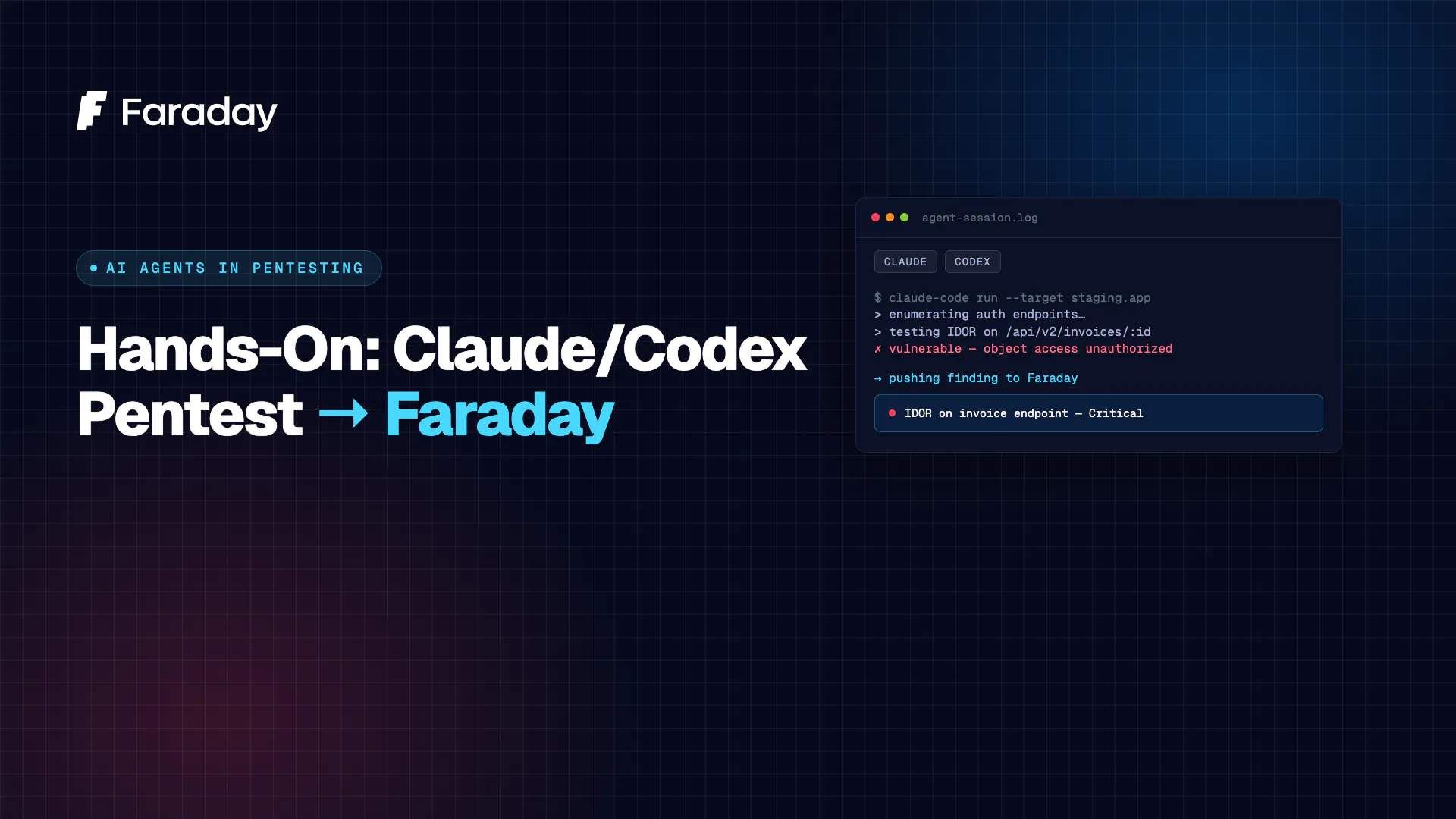
A review checklist specific to AI-assisted code: invented dependencies, hardcoded secrets, overly broad default permissions. Includes a sample CI rule.
Read the playbook →
6. Agentic Identity Traceability: An Implementation Guide
How to design identity, logging, and accountability for AI agents acting autonomously, with mandatory human approval for irreversible actions.
Read the playbook →
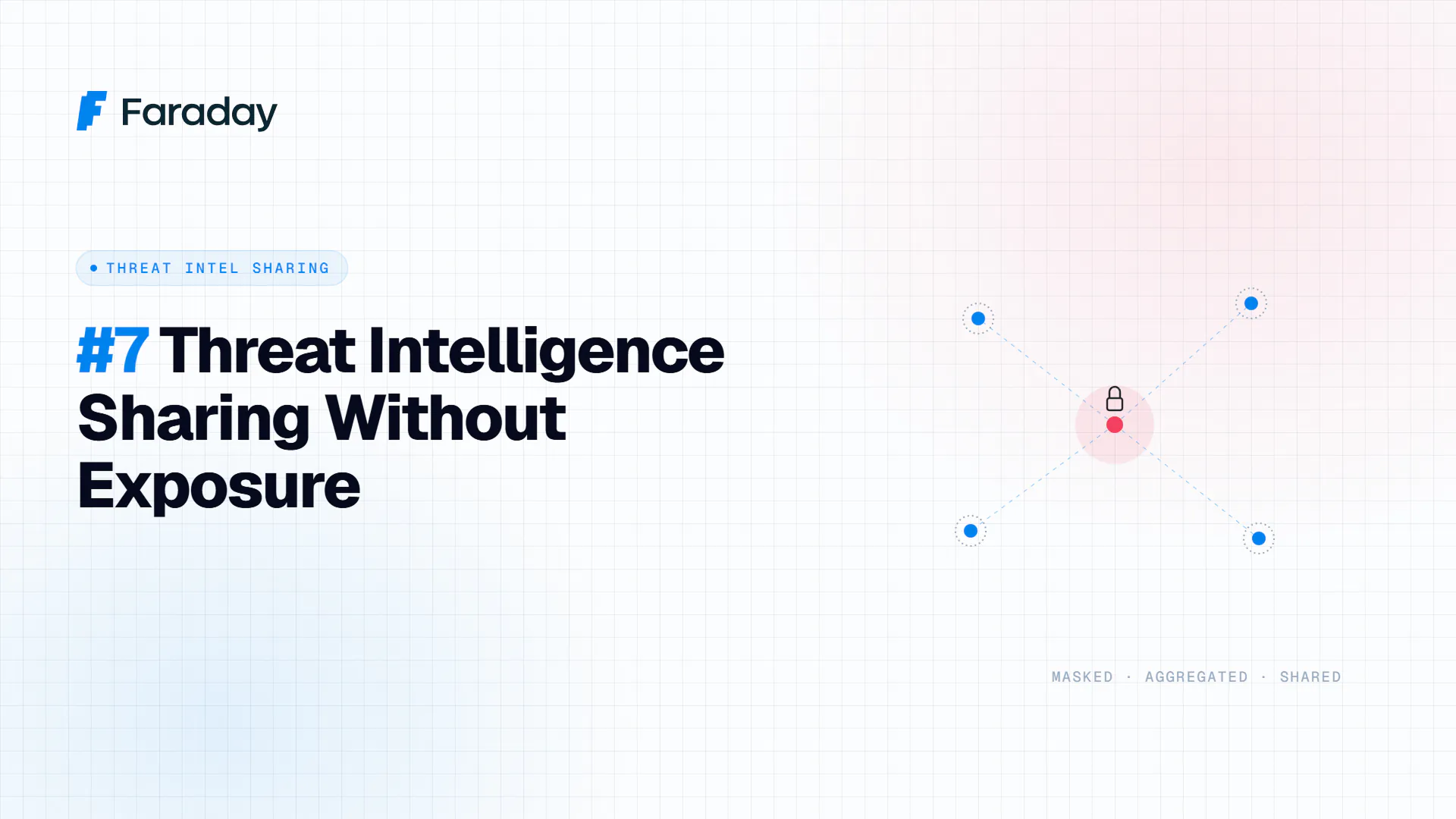
7. How to Participate in Threat Intelligence Sharing (ISACs) Without Exposing Sensitive Data
An anonymization pipeline, standard formats (STIX/TAXII, MITRE ATT&CK), and how to choose the right sharing mechanism based on trust level.
Read the playbook →
Why this series
The letter identifies four actors with distinct responsibilities: organizations, cybersecurity companies, governments, and frontier AI companies. These seven guides are written from the perspective of the first group — technical teams inside any organization — because that’s where most day-to-day security decisions actually get made.
Each guide stands on its own: start with whichever one matches your current priority. But if we had to suggest an order, it would be this: first audit your technical debt (#1), then decide what you can patch and apply least privilege where you can (#2), and use compensating controls where you can’t (#3). Only then does it make sense to add AI-driven defense layers (#4), with the corresponding care around code (#5) and agents (#6). Intelligence sharing (#7) is the step that multiplies the impact of everything before it — for you, and for the rest of the ecosystem.
Series based on OpenAI’s open letter on collective cyber defense (August 2026).