El panorama de vulnerabilidades está escalando más allá de lo que los sistemas tradicionales pueden manejar.
En 2025, el NIST amplió la información de casi 42 000 CVE —451 000 más que en cualquier año anterior—, pero aun así no fue suficiente para seguir el ritmo del aumento de las notificaciones de CVE, que se incrementaron de forma significativa entre 2020 y 2025.
Esta tendencia no está disminuyendo.
Como resultado, NIST ha actualizado cómo el Base de Datos Nacional de Vulnerabilidades (NVD) opera (leer más). Y este no es solo un cambio operativo. Es un cambio en cómo funciona la gestión de vulnerabilidades.
El problema: demasiadas vulnerabilidades, no hay tiempo suficiente para analizarlas.
Faraday v5.20 presenta mejoras en la plataforma de gestión de vulnerabilidades, centrándose precisamente en eso. Gestionar vulnerabilidades a escala no se trata solo de recopilar hallazgos. Se trata de poder navegar, comprender y actuar sobre esos datos sin fricciones.
En lugar de añadir complejidad, esta versión mejora cómo se comporta la plataforma al lidiar con entornos del mundo real: grandes conjuntos de datos, vulnerabilidades repetidas y equipos que necesitan claridad y velocidad.
Veamos qué hay de nuevo.
Destacados
Mejor organización con agrupamiento de vulnerabilidades
Rendimiento más rápido en toda la plataforma
Seguridad de acceso mejorada
Mejor Organización con Agrupación de Vulnerabilidades
Como NIST cambia a un modelo basado en riesgos y deja de enriquecer todas las CVE, los equipos de seguridad se quedan con más datos brutos y menos contexto. Agrupación de vulnerabilidades cubre ese vacío, aportando estructura donde el ecosistema ya no lo hace.
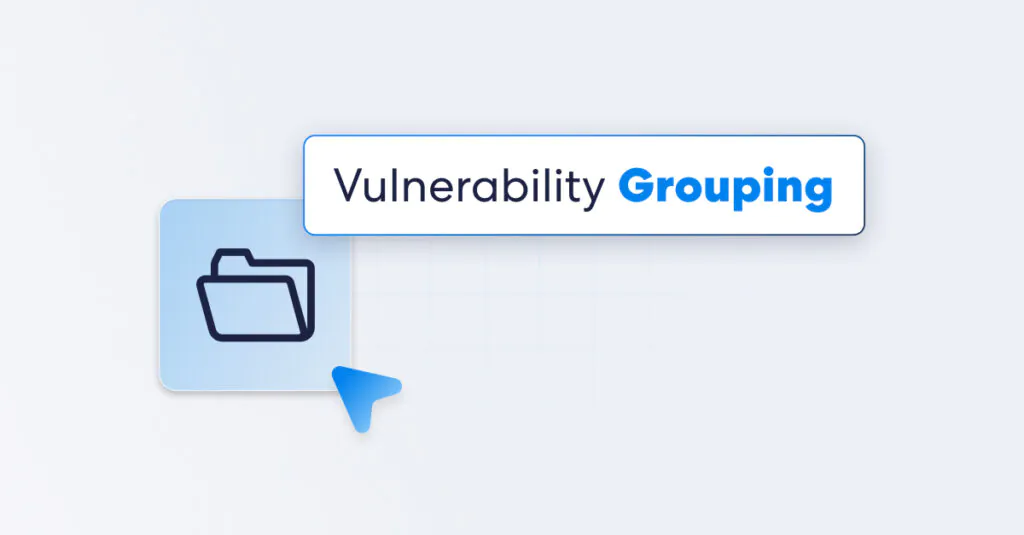
Agrupación de Vulnerabilidades, permite a los equipos consolidar hallazgos similares en grupos estructurados. Al agrupar vulnerabilidades basándose en CVEs compartidos o similitud de nombres —y permitiendo umbrales de coincidencia configurables— Faraday ayuda a reconstruir el contexto que ya no se proporciona de manera consistente externamente.
A medida que el volumen de CVE continúa creciendo, el desafío ya no es solo manejar más datos, sino lidiar con la duplicación, la fragmentación y los patrones repetidos en los hallazgos. La agrupación transforma listas grandes y ruidosas en clústeres estructurados.
Esto también permite un enfoque más práctico para la clasificación basada en riesgos. Cuando no todas las vulnerabilidades tienen el mismo peso, los equipos necesitan una forma de identificar rápidamente lo que realmente importa.
Esto se puede hacer de dos maneras:
Agrupación automática, basado en criterios como nombre de vulnerabilidad o CVE
Agrupación manual, donde los usuarios definen sus propios grupos basados en el contexto
Ambos enfoques pueden coexistir, permitiendo a los equipos combinar la automatización con el control manual. Además, en un mundo donde no todas las vulnerabilidades se enriquecen, tener una estructura sólida se vuelve crítico.
Echa un vistazo a nuestra documentación y pruébalo
Rendimiento más rápido a escala
El rendimiento no es una característica, es un requisito.
Continuamos mejorando el rendimiento con Faraday v5.20, haciendo la plataforma más rápida y receptiva. Las consultas internas se han optimizado para acelerar la navegación entre múltiples vistas, y las actualizaciones masivas de vulnerabilidades ahora son más rápidas y eficientes en el uso de memoria.
El resultado: una experiencia más fluida y ligera al navegar por tus tareas diarias.
Control de Acceso Mejorado
Faraday v5.20 mejora los mecanismos de control de acceso, reforzando cómo se validan las identidades de los usuarios en toda la plataforma.
Esto conduce a una mejor gobernanza de acceso y una seguridad de plataforma más sólida.
Hecho para el cambio
Faraday v5.20 se alinea con una realidad industrial más amplia:
La gestión de vulnerabilidades ya no se trata de cobertura
Se trata de claridad y priorización
Al mejorar el rendimiento, estructurar los datos de vulnerabilidad y reducir el ruido, esta versión ayuda a los equipos a:
- Muévete más rápido
- Enfócate en el riesgo real
- Operar con menos fricción
La industria se dirige hacia la priorización por necesidad.
Cuando ni siquiera la NVD puede mantenerse al día con el volumen de vulnerabilidades, los equipos necesitan mejores formas de entender lo que realmente importa.
Faraday v5.20 es un paso en esa dirección.
Sus comentarios siguen dando forma a nuestra hoja de ruta. Si tiene preguntas o sugerencias, póngase en contacto con nosotros en support@faradaysec.com
Nos vemos en la próxima versión 🚀
Documentación:
Página de inicio
Documentación
Descargar
Seguimiento de incidencias y comentarios
Preguntas frecuentes
Twitter