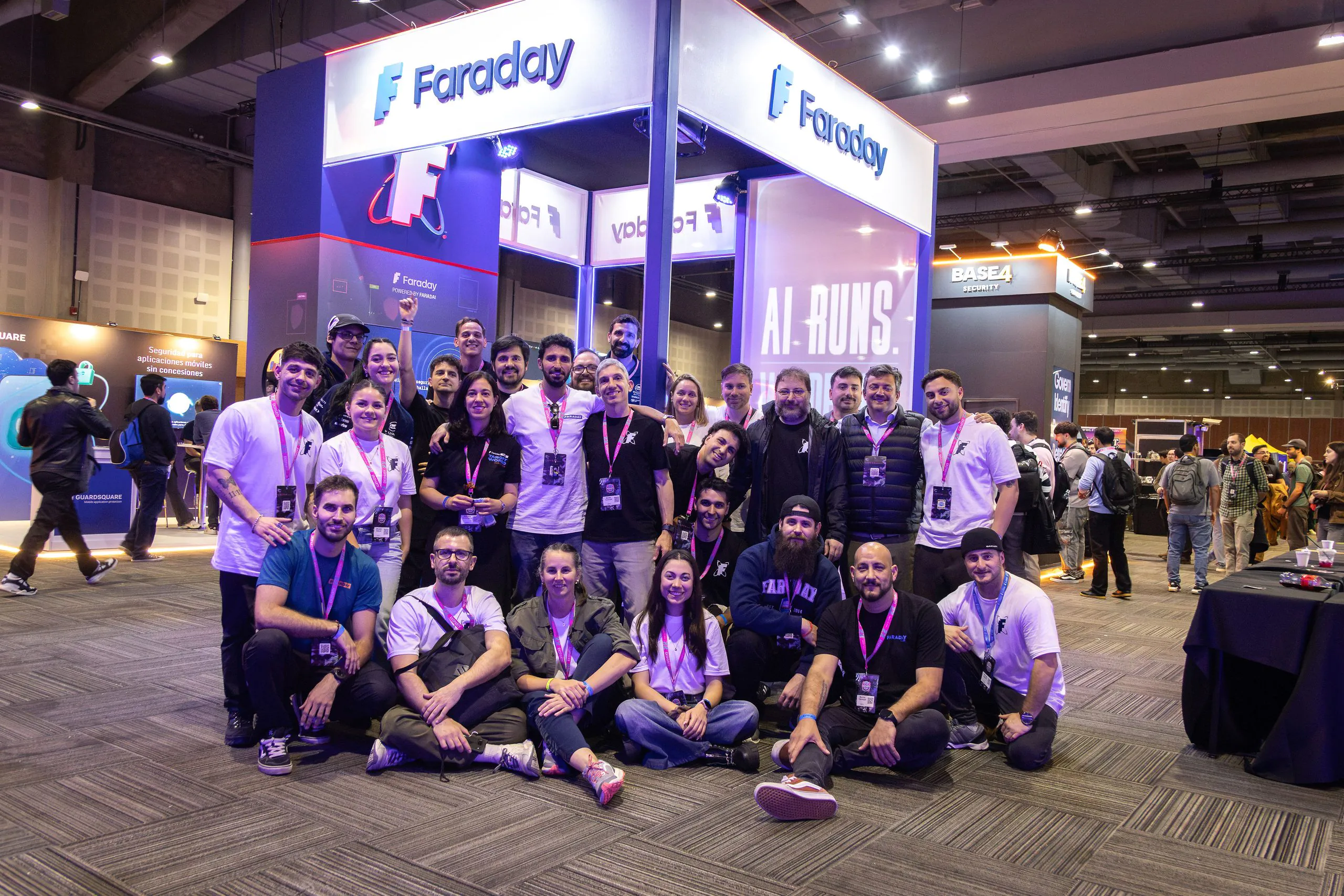
This year, we were once again part of Ekoparty with our own booth, where we welcomed clients, colleagues, and cybersecurity professionals, showcased FaradAI in action, challenged the community with our CTF, and joined different stages and spaces to share our research, experiences, and new perspectives on the future of offensive security.
A lot happened in just three days. Here’s a look back at our journey through Ekoparty 2026.
Coming together, sharing, and building community
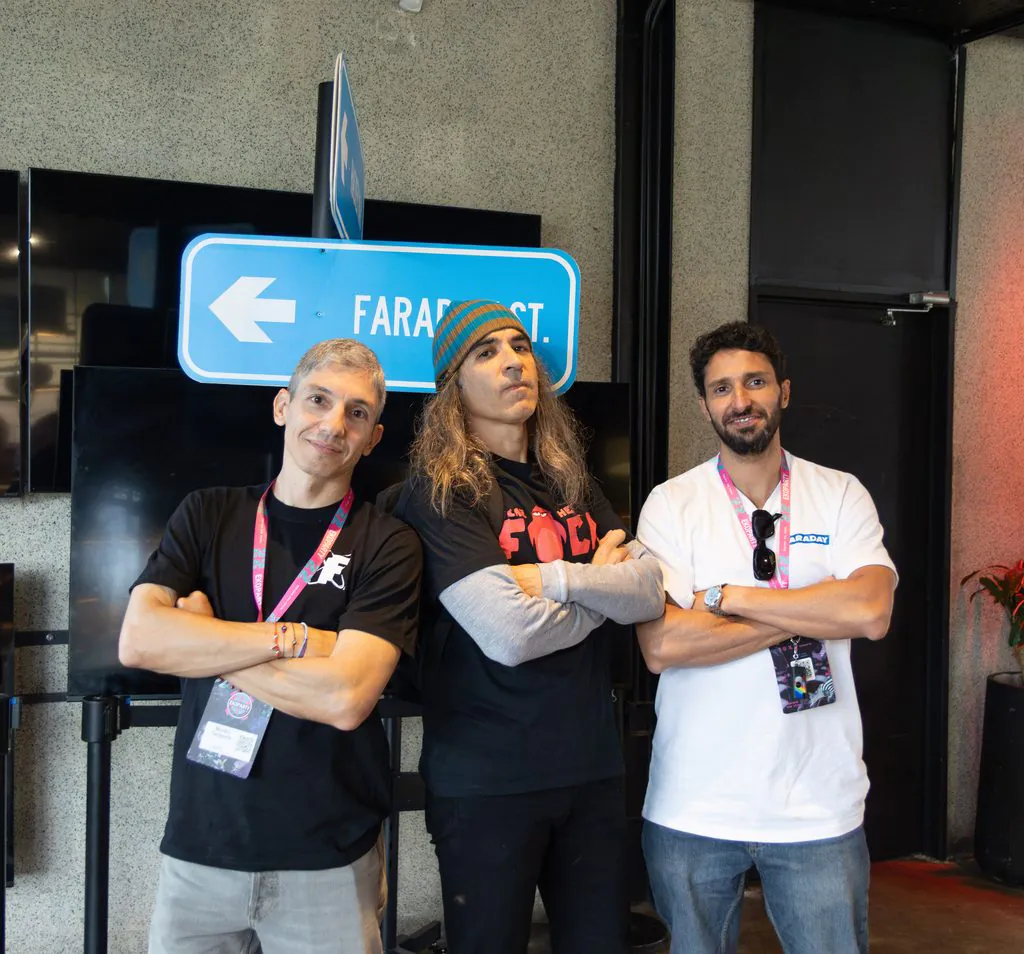
Ekoparty is much more than a lineup of talks. It’s that time of year when the community comes together to share knowledge, exchange ideas, discover new projects, and, above all, reconnect.
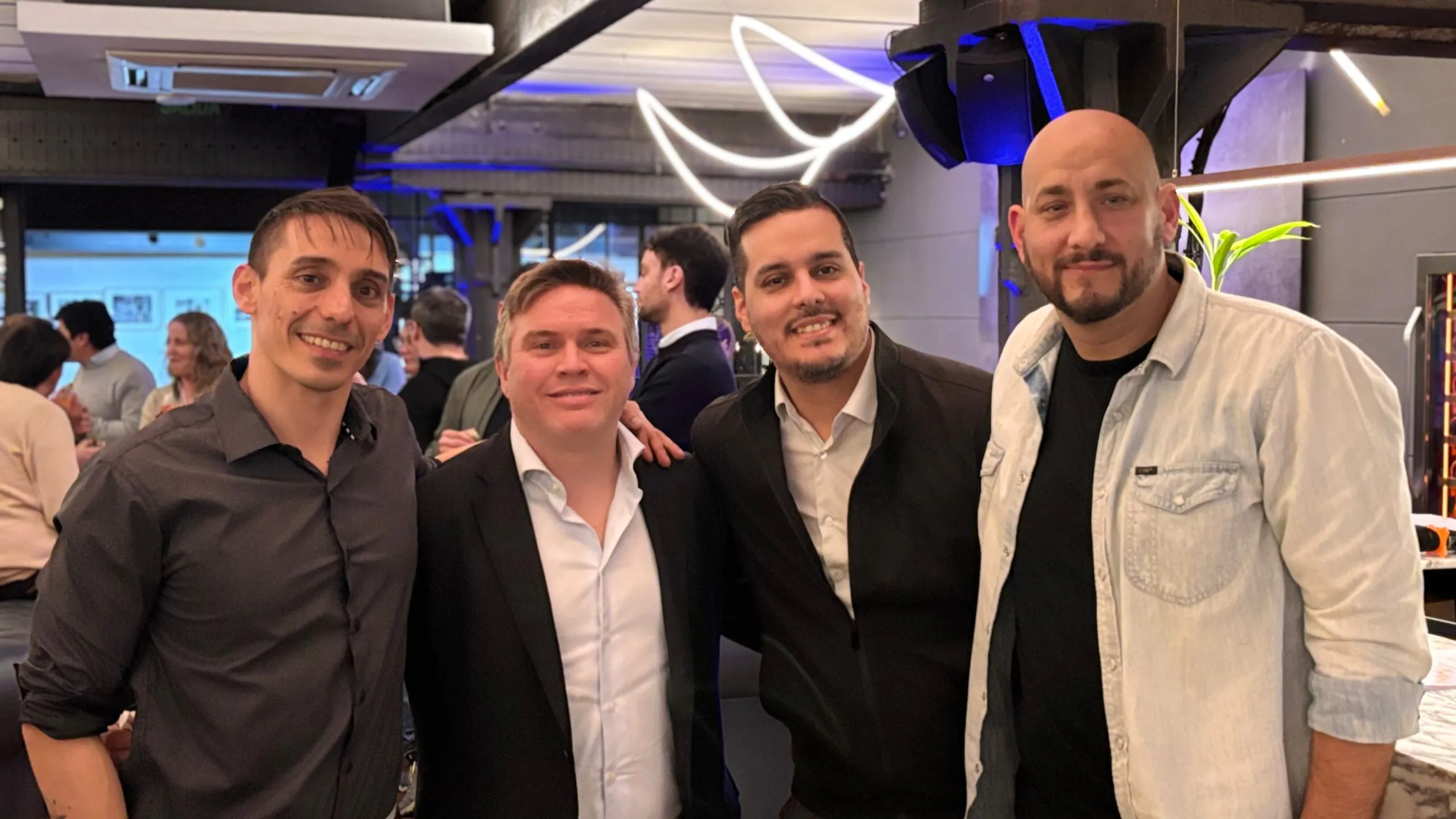
For three days, we met with friends, clients, colleagues, hackers, and people from different places who all had something in common: the drive to learn, experiment, and share what they do.
For Faraday, being part of Eko is also about that: connecting face-to-face with a community we’re proud to be part of, sharing what we’ve been building, and learning about what others are working on.
Between talks, research, demos, hallway conversations, and countless exchanges, we once again experienced that unique mix of knowledge, curiosity, and celebration that makes Ekoparty different.
Because at the end of the day, Eko is also a celebration — of hacker culture, shared knowledge, and a community that keeps growing without losing the curiosity to break things just to understand how they work.
FaradAI in Action
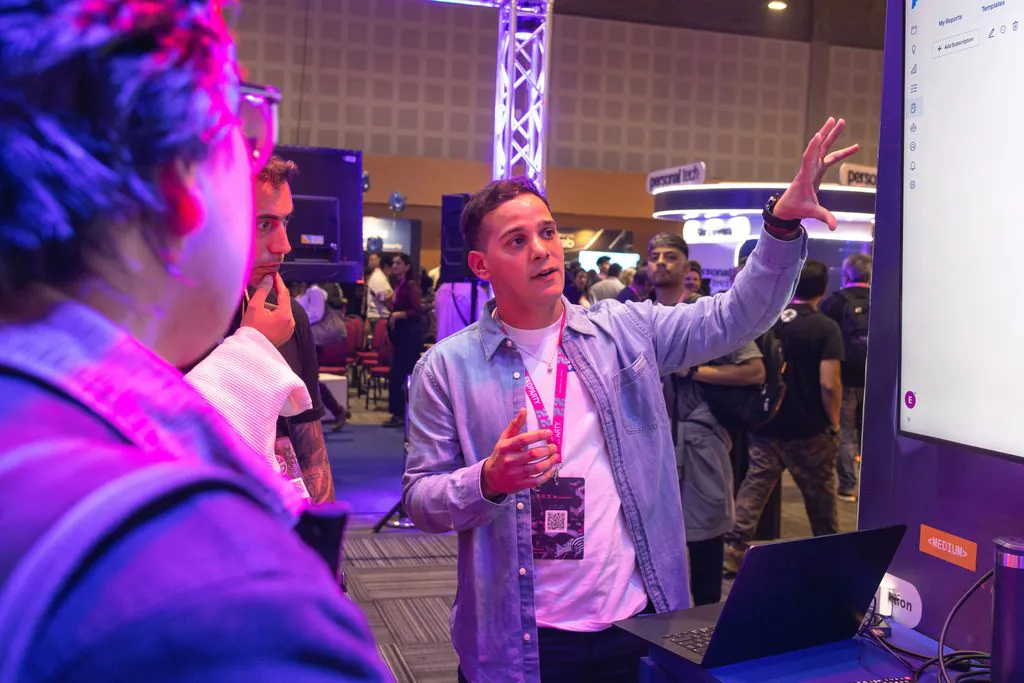
Talking about artificial intelligence in cybersecurity is one thing. Seeing it in action is another.
That’s why, throughout Ekoparty, we ran live demos of FaradAI at our booth, showing how we’re bringing AI and automation into offensive security.
Visitors got a firsthand look at how FaradAI can support different stages of the process — helping teams find, prioritize, exploit, and remediate vulnerabilities — and how these capabilities can be integrated into real security workflows.
Our approach is built around an idea that came up again and again throughout the event: using AI to amplify hackers, not replace them.
Automating what can be automated, accelerating processes, and giving security professionals more context and better tools so they can focus on the decisions where their expertise makes the biggest difference.
IA paraAI for Hackers: What Has Really Changed?
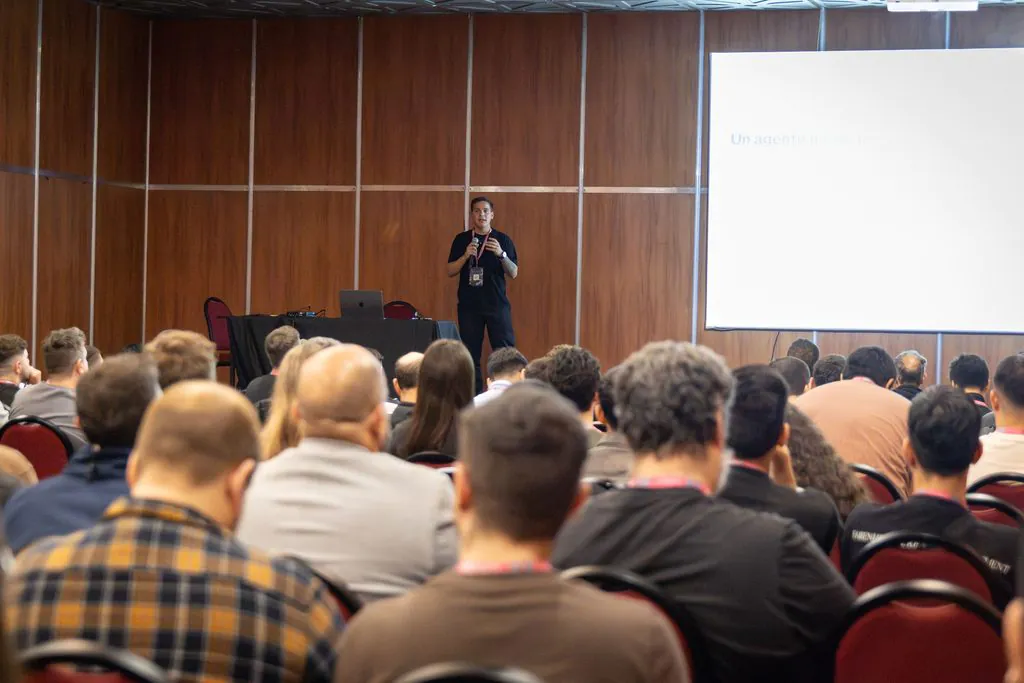
Artificial intelligence also took the stage.
Gabriel Franco, CTO of Faraday, joined Hack the Talent Zone: “AI for Hackers: What Has Really Changed About Our Work?”, a space to move beyond the hype and discuss the real impact these technologies are having on cybersecurity.
What tasks can we automate? How is the role of a pentester changing? Where does human expertise remain essential? And what new capabilities emerge when we combine the two?
Rather than thinking in terms of humans versus AI, the real challenge is understanding how to use these tools to amplify the work of those who research, test, and attack systems every day.
Building Your Own Pentest Agent
Gabriel also took that conversation one step further at the Red Team Space with “Creating Your Very Own AI Pentest Agent.”
The goal was to bring the concept of AI agents into practice and explore how to build an agent specifically designed for pentesting.
Offensive security automation is no longer just about running tools faster. This new landscape opens the door to systems capable of handling more complex processes, interpreting information, and supporting pentesters throughout different stages of an assessment.
And that leads to one of the questions we’re most interested in exploring at Faraday: what happens when we combine a hacker’s expertise with systems capable of operating with increasing autonomy?
Root From Kilometers Away Arrives at Ekoparty
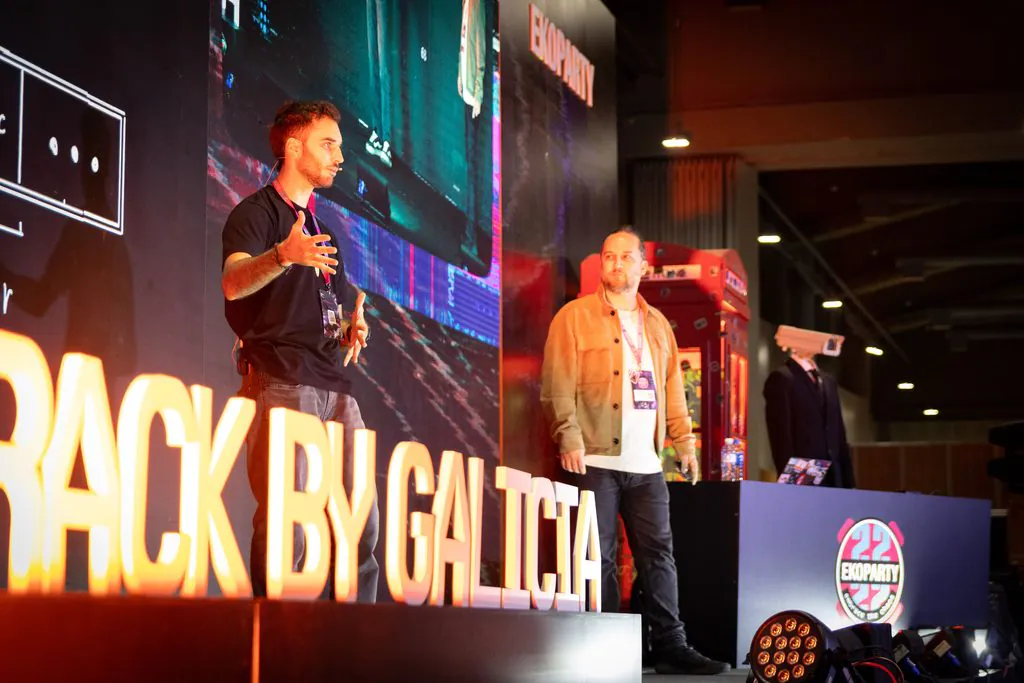
Research also took the main stage.
Gastón Aznarez and Federico Kirschbaum presented “Root From Kilometers Away: Ubiquiti airMAX RCE” on the Main Track, a research project that traveled across different stages in the security community throughout 2026 before making its way to Buenos Aires for Ekoparty.
The research dives into vulnerabilities discovered in Ubiquiti airMAX devices and the process that took the team from analyzing the devices to achieving remote code execution (RCE).
A great example of what happens when curiosity, reverse engineering, and offensive security research come together to push technology to its limits
The Glass Perimeter: When Identity Becomes a Target
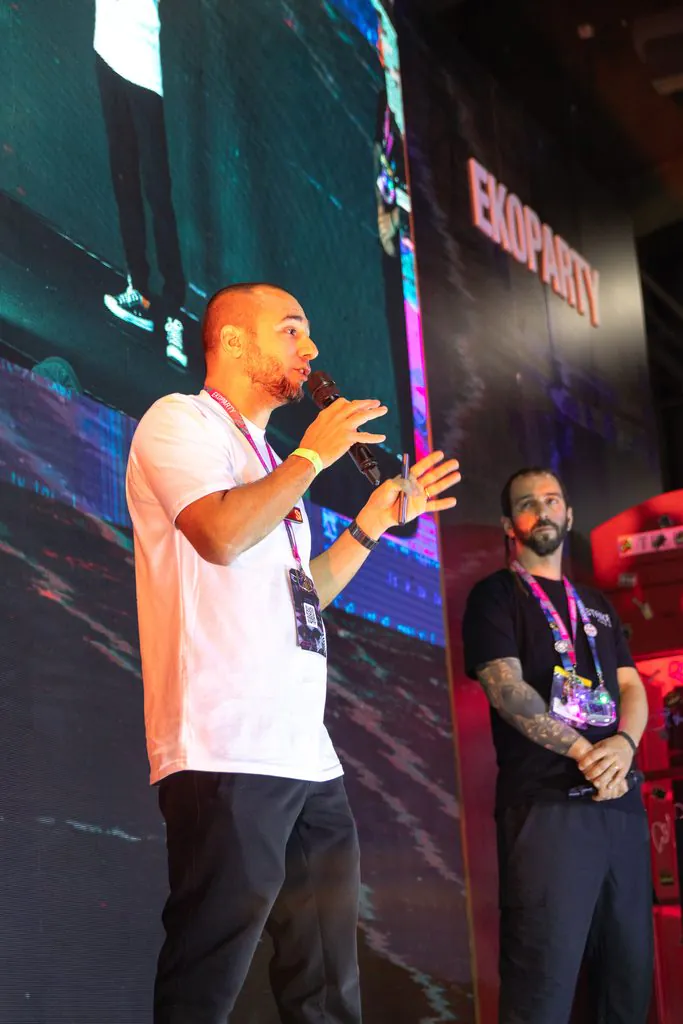
Dan Borgogno took the Main Track with “The Glass Perimeter: Systematic Bypasses in Biometric Frameworks and the Rise of Synthetic Identity.”
The talk focused on biometric systems, potential bypass techniques, and a challenge that is becoming increasingly relevant as technology evolves: synthetic identities.
As more systems rely on biometrics to verify who is on the other side, exploring their limitations becomes essential to understanding how resilient they really are against emerging attack techniques.
Building the Ecosystem Also Means Supporting Entrepreneurship
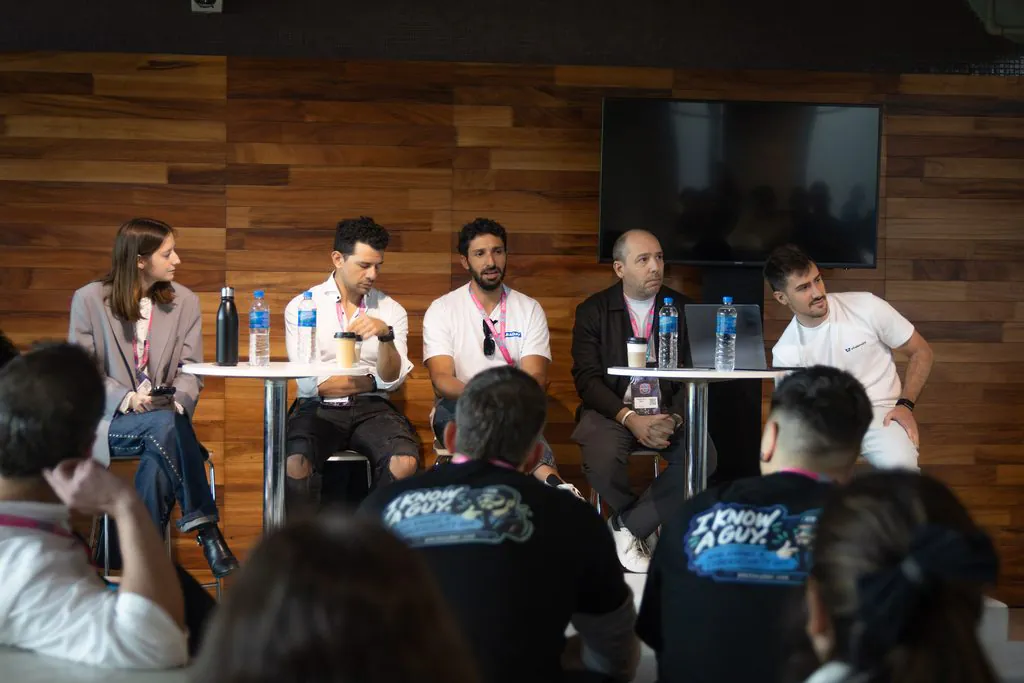
Technology wasn’t the only focus throughout these three days.
Francisco Müller Amato joined the Entrepreneurs & Startups Panel at the Startup Zone as a judge, sharing the space with people building new projects across the cybersecurity ecosystem.
Building technology also means turning ideas into products, creating teams, making mistakes, learning along the way, and identifying problems that are truly worth solving.
Spaces like the Startup Zone bring that side of the industry into the conversation, creating opportunities to share experiences, connect, and support the next generation of cybersecurity projects.
When Traditional Pentesting Falls Behind
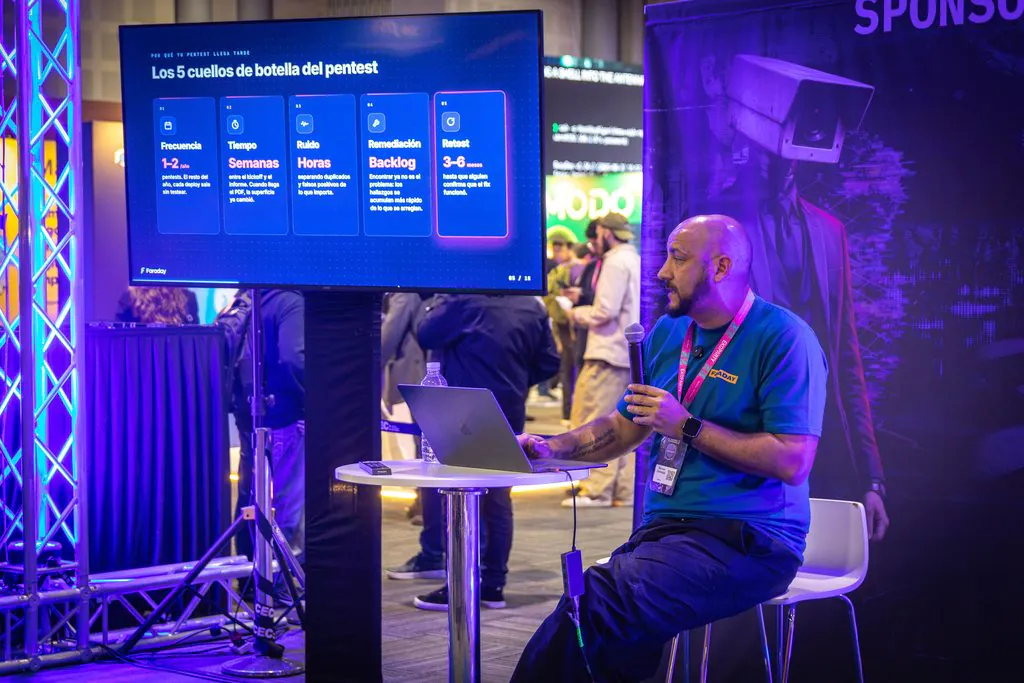
Marcos Carabajal, CRO of Faraday, took the stage with “Your Pentest Is Too Late: How Autonomous Pentesting Breaks the Bottlenecks of Offensive Security.”
The talk focused on an increasingly evident challenge: attack surfaces are constantly evolving, while many security assessments are still performed at specific points in time.
Between one assessment and the next, new vulnerabilities can emerge, infrastructure can change, and risks can remain unvalidated for weeks or even months.
In this context, autonomous pentesting opens the door to thinking about offensive security as a more continuous, scalable process that keeps pace with how quickly infrastructure evolves.
It’s not simply about running more pentests. It’s about reducing the time between a risk emerging, validating it, and being able to act on it.
Hackademy and the Next Generation
Our team also took part in Hackademy, one of the spaces dedicated to bringing new talent into the world of cybersecurity.
Gabriel Franco joined the Hackademy panel and diploma ceremony, wrapping up an experience focused on those taking their first steps within the cybersecurity community.
For us, sharing knowledge is a fundamental part of hacker culture. A community doesn’t grow through new tools and research alone — it grows when more people have the opportunity to learn, experiment, and dare to break things in order to understand how they work.
Much More Than Three Days of Talks
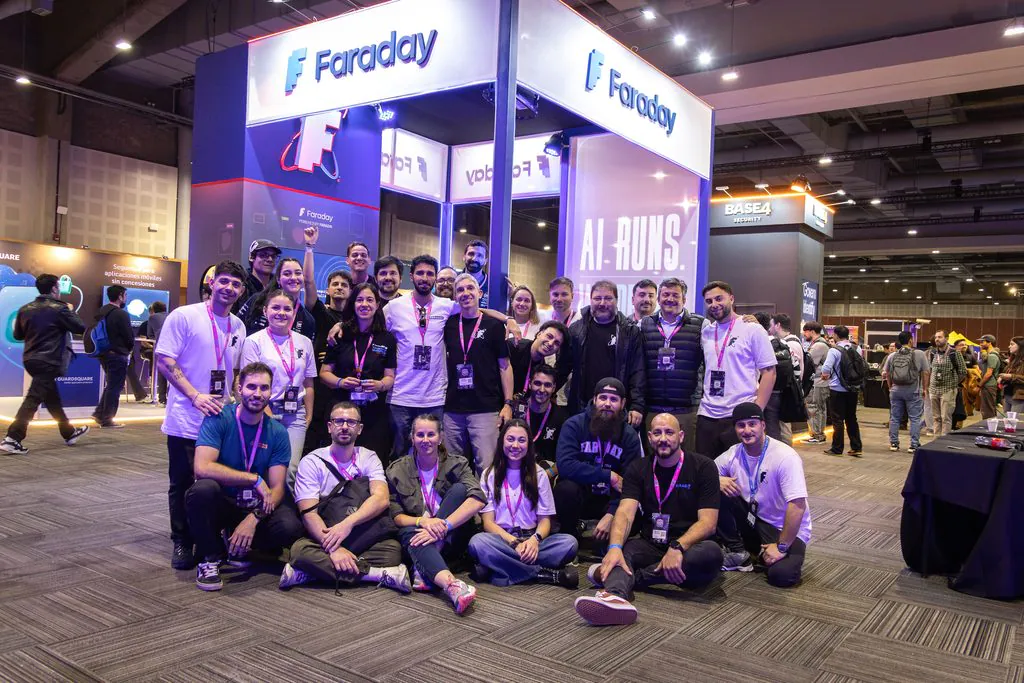
Ekoparty always has something that’s hard to capture in an agenda.
There’s the research, the demos, and the talks. But there are also the conversations that start at a booth and turn into an idea; reconnecting with clients and friends; meeting someone who’s just getting started in security; spending half an hour discussing a vulnerability; or discovering what someone else in the community is building.
For Faraday, Ekoparty 2026 was all of that.
It was three days to showcase what we’re building, but also to listen. To share our research, but also discover what others are working on. To talk about artificial intelligence, autonomous pentesting, and emerging technologies without losing sight of the people behind them.
We’re leaving with new ideas, great conversations, and new challenges for what comes next.
Thank you to the entire Faraday team who made our participation possible, to everyone who took the stage to share their work, to our clients who came by to meet us, and to every person who stopped by our booth, joined the CTF, watched a FaradAI demo, or simply stayed for a conversation.
And thank you to Ekoparty for once again bringing together a community that continues to research, share knowledge, and push boundaries.
See you at the next one. 💙